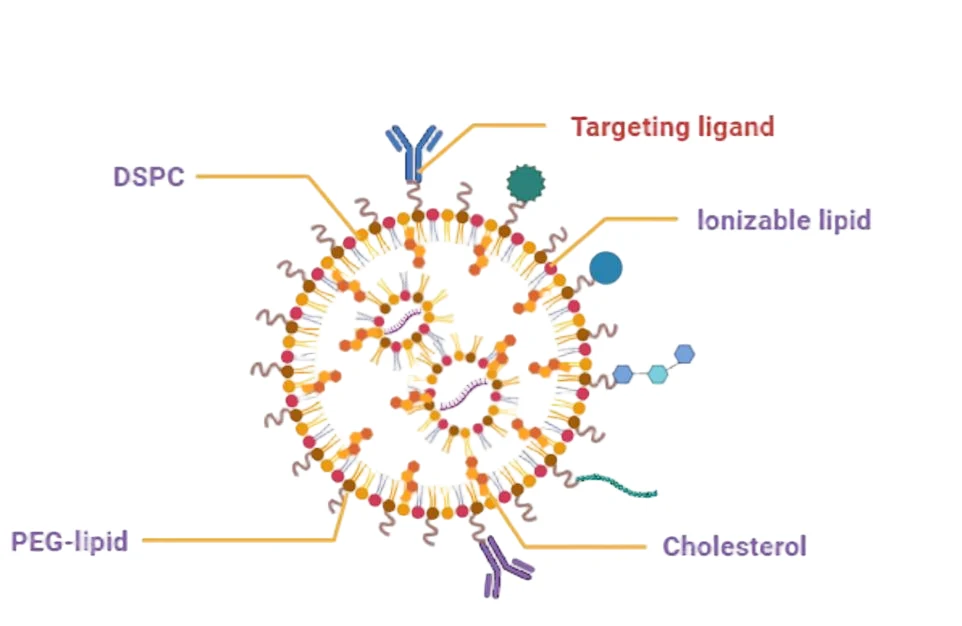
ADDS stands for AI Design of Delivery System. It is not a piece of software but a combination of four real assets: an ionizable lipid library, a targeting ligand library, the Lipoeasy® validation tool, and the T-LNP formulation–characterisation–transfection–efficacy database.


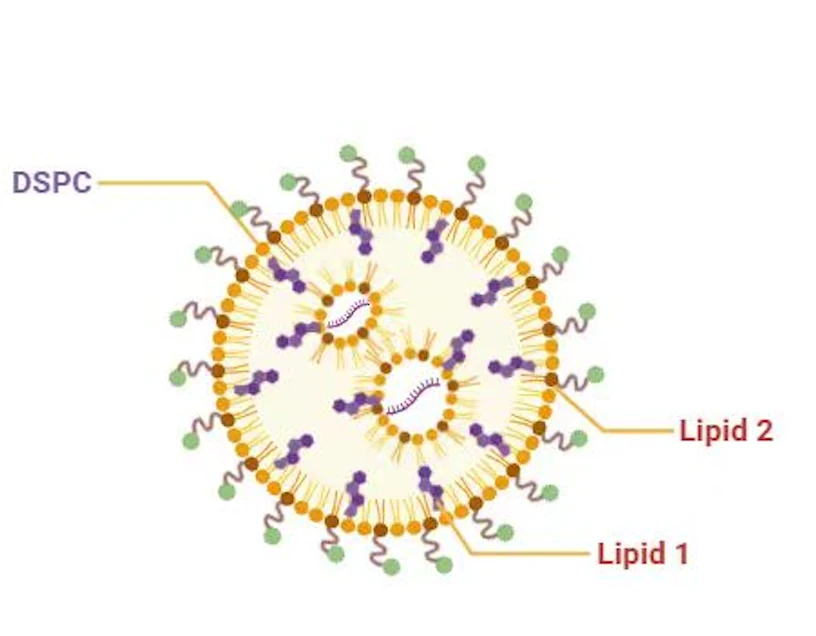
自主设计合成的新型可电离脂质,通过材料本身实现组织层面的被动靶向(肝、脾、肺等)。
Proprietary ionizable lipids that achieve tissue-level passive targeting through the material itself — liver, spleen, lung and beyond.

蛋白、抗体、多肽、适配体、糖基、小分子六类配体,通过特异性识别 / 结合叠加细胞层面的主动靶向。
Six ligand classes — protein, antibody, peptide, aptamer, sugar and small molecule — adding cell-level active targeting through specific recognition or binding.

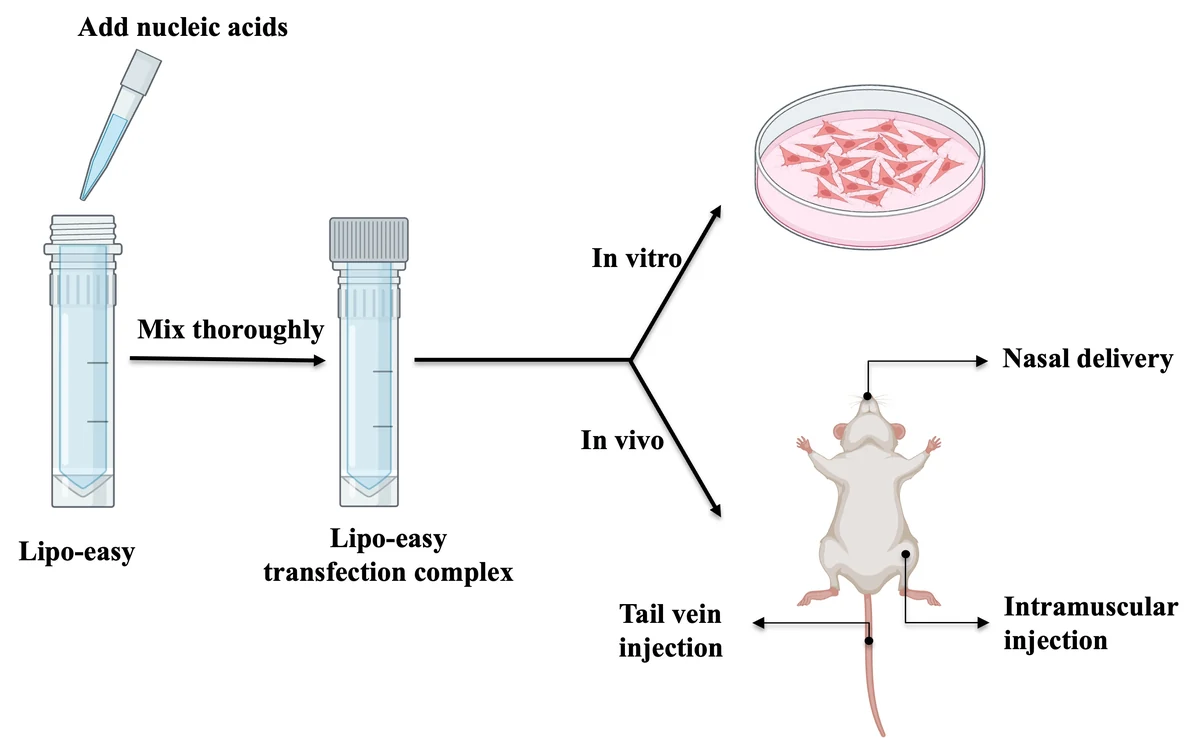
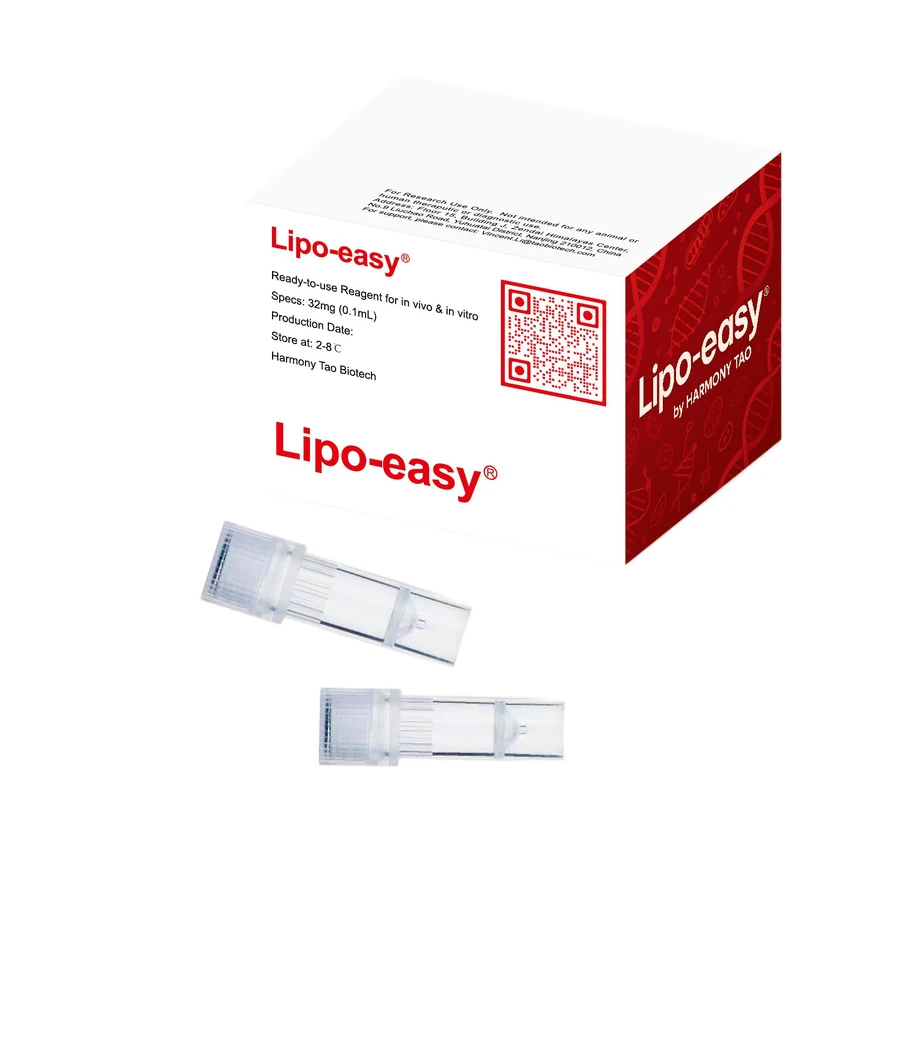
即用型脂质递送试剂,无需 LNP 处方设备与微流控即可完成包封,同时支持体外与体内验证。
A ready-to-use lipid delivery reagent: encapsulation without LNP formulation equipment or microfluidics, supporting both in vitro and in vivo validation.

每一个处方从理化参数到体外转染、体内药效全部留存,形成可被 AI 学习的结构化数据资产。
Every formulation is recorded from physicochemical parameters through in vitro transfection to in vivo efficacy — a structured dataset AI can learn from.

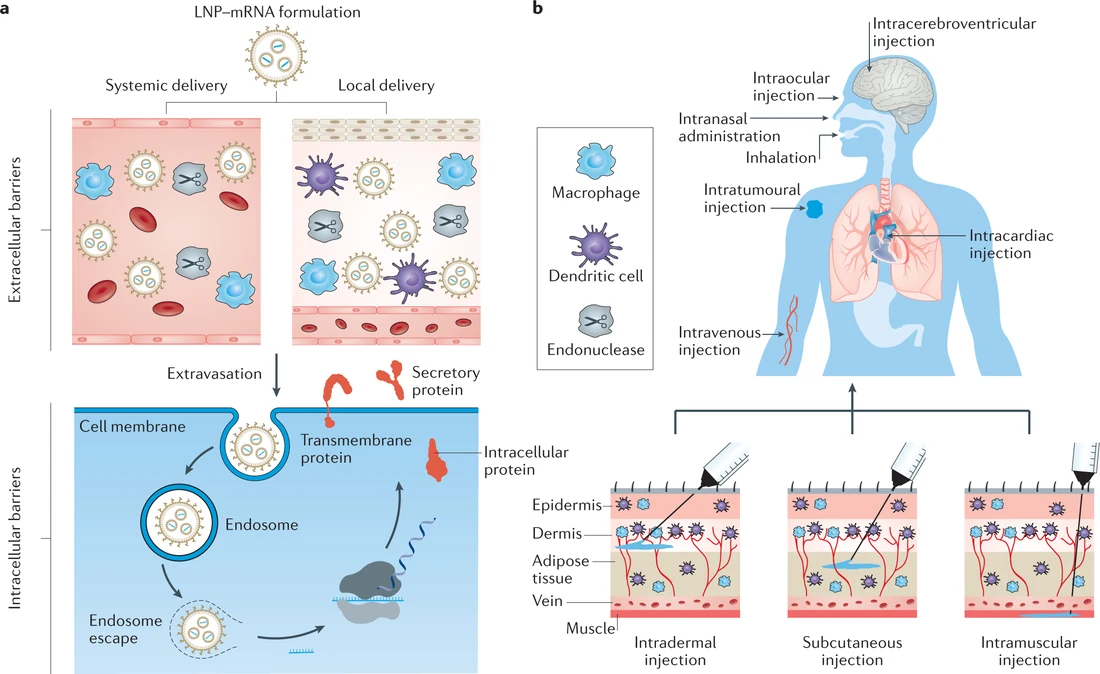
Proprietary materials achieve passive organ targeting on their own; ligand decoration then layers on active cell targeting — two levels that together give higher target-tissue expression at lower dose.
由脂质材料的组成与结构决定,不依赖外加配体。
Determined by lipid composition and structure, no external ligand required.
配体特异性识别目标细胞表面标志物,提高细胞选择性。
Ligands specifically recognise target-cell surface markers for higher cell selectivity.
Lipid 材料与 LNP 处方出发,经体外细胞验证、体内细胞验证、动物药效验证,最终进入临床验证;每一环的数据回流训练 AI 体内 / 体外预测模型,让下一轮配方筛选更快更准。
Starting from lipid material and LNP formulation, through in vitro cell validation, in vivo cell validation and animal efficacy, into clinical validation; data from every step flows back to train the AI in vitro / in vivo models, making the next screening round faster and sharper.
AI-trained in vitro and in vivo models: Lipoeasy® validates quickly, the models predict the next round of candidates.